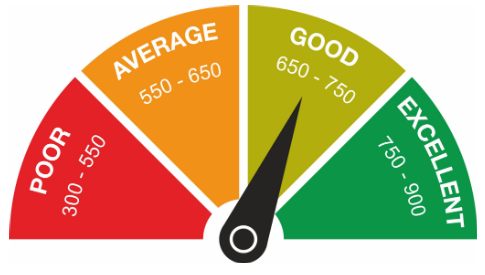
Obtaining a loan is often perceived as a challenging task, especially if you have a low credit score. Lenders typically assess your credit score to determine your financial trustworthiness and repayment capability. However, having a low credit score doesn’t mean you’re entirely out of options. There are several ways to secure a low credit score loan, as well as strategies to improve your chances of approval. In this article, we will explore how you can get a loan despite your low credit score, include tips for improving your eligibility, and briefly discuss a common administrative task such as how to correct name in Voter ID card, which often comes up during the loan application process.What is a Low Credit Score Loan?A low credit score loan is a type of loan specifically designed for individuals with poor or below-average credit scores. While most traditional loans rely heavily on your credit score for approval, these loans are tailored to cater to borrowers who may have struggled with financial setbacks or have limited credit histories.Lenders offering low credit score loans often evaluate other factors beyond your credit score, such as your income, employment history, collateral, or ability to provide a guarantor. However, because these loans are associated with higher risks for lenders, they often come with higher interest rates and stricter repayment terms.Understanding the Impact of a Low Credit ScoreA credit score is a three-digit number (typically ranging from 300 to 900 in India) that represents your creditworthiness. The closer your score is to 900, the better your credit health. On the contrary, a low credit score (usually below 600) signals a higher likelihood of default and can make it harder to secure a loan.Common reasons for a low credit score include:
Late or missed payments on loans or credit cards.Defaulting on previous loans.Maintaining a high credit utilization ratio.Having no credit history or a thin credit file.Frequently applying for credit in a short period.
Despite these challenges, individuals with low credit scores can still borrow money with the right approach.How to Get a Low Credit Score LoanIf you’re looking for ways to obtain a low credit score loan, here are some practical steps to increase your success rate:1. Explore Lenders Offering Bad Credit LoansSome lenders specialize in providing low credit score loans. They might not rely solely on your credit score but assess your overall financial situation, such as your monthly income or job stability. Consider approaching:Non-banking financial institutions (NBFCs).Peer-to-peer (P2P) lending platforms.Credit unions, which often have flexible lending criteria.
2. Opt for a Secured LoanSecured loans are backed by collateral, which reduces the lender’s risk. By pledging an asset like property, gold, or a fixed deposit, you can increase your chances of loan approval even with a poor credit score. Lenders are more willing to extend credit when they have an assurance of recovering their funds.3. Apply with a Co-Applicant or GuarantorAnother way to overcome a low credit score is by applying for a loan with a co-applicant or guarantor who has a good credit score. The lender will take their financial stability and creditworthiness into account, which can significantly improve your chances of approval and might even help you secure a better interest rate.4. Consider Smaller Loan AmountsRequesting a smaller loan amount can make lenders more inclined to approve your application. A large loan presents a higher risk to lenders, especially if you have a low credit score. By choosing a manageable loan amount, you demonstrate financial responsibility while minimizing risk for the lender.5. Improve Your Application with Proof of IncomeWhen lenders see that you have a stable job and consistent income, they might be less concerned about your credit score. Presenting payslips, bank statements, and tax returns can show that you have a reliable income source to repay the loan.6. Build Stronger Relationships with Financial InstitutionsIf you’ve been a long-time customer of a bank, it may make it easier to get a loan. Financial institutions often provide special terms and considerations to their existing customers based on the length of their relationship. Frequent deposits, consistent use of a savings account, or good conduct in other financial products can work in your favor.7. Research and Compare LendersNot every lender has the same creditworthiness criteria. Spend time comparing multiple lenders who cater to borrowers with low credit scores. Look for lenders with lower interest rates, flexible repayment tenures, or no prepayment penalties to find the best fit for your needs.Tips to Improve Your Credit ScoreIf you’re not in urgent need of a loan, consider improving your credit score before applying. Here are some ways to boost your credit health and enhance your chances of approval:Pay Bills on Time: Make timely payments on all loan EMIs and credit card dues. Consistency in payments is the fastest way to improve your score.Reduce Credit Utilization: Aim to use less than 30% of your total credit card limit. Lower utilization rates show responsible credit use.Check Your Credit Report: Errors in credit reports can harm your credit score. Review your report and get any discrepancies rectified immediately.Use a Mix of Credit Products: Maintain a healthy mix of secured and unsecured loans to show you can handle different types of credit responsibly.Avoid Multiple Credit Applications: Frequent loan or credit card applications can make you appear desperate for credit, negatively impacting your score.
How to Correct Name in Voter ID Card (Why It Matters)While applying for a low credit score loan, lenders may verify your identity through government-issued documents, such as your Voter ID card. Knowing how to correct name in voter id card and ensuring that your personal details are accurate on these documents is crucial for seamless loan processing.Steps to correct your name in the Voter ID card:Visit the NVSP Website: Go to the National Voter Services Portal (http://www.nvsp.in).Select Correction Option: Click on the “Correction in personal details” option.Fill Form-8: Complete and submit Form-8 online by filling in your updated name and attaching supporting documents (e.g., Aadhaar card, passport, or marriage certificate).Submit and Track Application: Submit the request and track its status online. Corrections are typically processed within 30-45 days.
Keeping your identification documents accurate and updated not only prevents delays in loan applications but also establishes your credibility with lenders.ConclusionWhile a low credit score may seem like a major hurdle, it doesn’t have to prevent you from getting the financial help you need. By exploring alternative lending options, opting for secured loans, or applying with a co-applicant, you can increase your chances of obtaining a low credit score loan. Additionally, improving your credit habits over time will open up more opportunities and ensure lower borrowing costs in the future.
Remember to correct inconsistencies in your government-issued IDs, such as learning how to correct your name in the Voter ID card, to avoid unnecessary complications during the loan application process. By following these strategies and staying proactive, you can navigate the lending landscape with ease—even with a low credit score.