
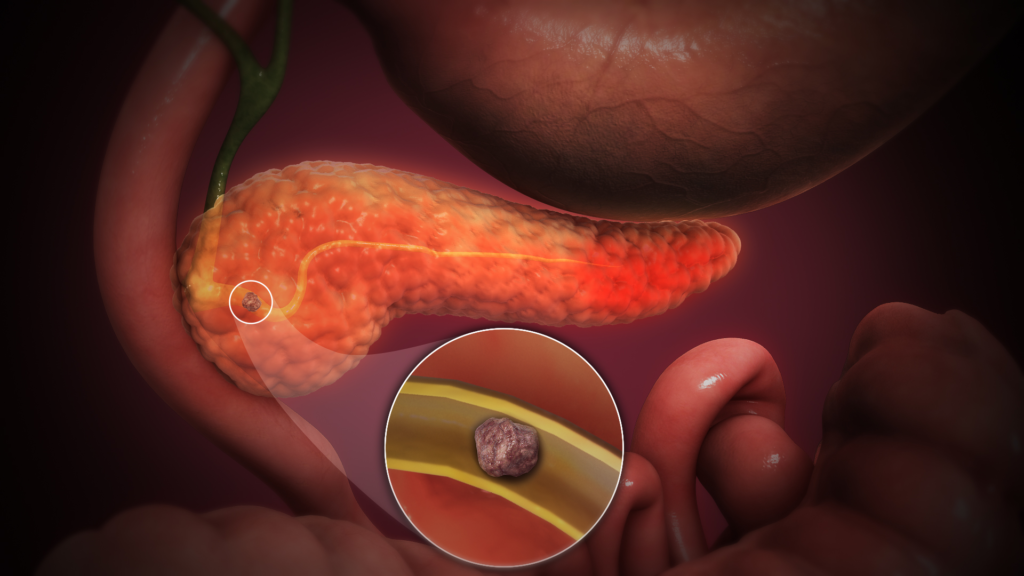
A pancreas infection can develop when inflammation in the pancreas becomes complicated by bacterial involvement. This condition often follows acute pancreatitis and requires timely medical care. If treatment is delayed, the infection can worsen and begin to affect nearby tissues and organs. Understanding how delays influence the condition can help individuals recognise when to seek medical attention.
Timely pancreas infection treatment helps control infection, reduce inflammation, and support recovery. When care is delayed, the condition may progress, leading to complications that are more difficult to manage. Delayed intervention can increase the body’s burden, slowing and complicating recovery. This article explains how delays affect disease progression, associated risks, and possible complications.
How Delay Affects the Infection Progression
When treatment is delayed, the infection continues to progress within the pancreas. Bacteria grow in damaged or inflamed areas, worsening the condition. Over time, the body responds with stronger inflammation, leading to swelling and discomfort.
Fluid may collect around the pancreas, and these collections can become infected. The infection may remain localised at first but can gradually spread to surrounding tissues. This progression increases the difficulty of treatment and may require more advanced medical intervention. Early care can limit these changes, while delay allows the condition to worsen.
Major Risks of Delayed Treatment
Delaying care can increase several risks that may worsen the infection and affect overall health. These risks develop gradually but can escalate without timely care.
- Spread of infection: Bacteria may enter the bloodstream and reach other parts of the body.
- Increased tissue damage: Continued inflammation can damage pancreatic tissue and affect its function.
- Formation of infected collections: Fluid around the pancreas can become infected, leading to complications.
- Higher treatment complexity: Advanced infection may require intensive care or procedural intervention.
These risks show how delays can shift the condition from manageable to more serious if not addressed early.
Serious Complications That May Develop
If treatment is delayed, the infection can lead to complications affecting multiple body systems. These complications often require specialised care.
Sepsis
Sepsis occurs when the body reacts strongly to infection. This response can lead to widespread inflammation and may affect blood circulation, requiring urgent medical attention.
Organ Dysfunction
The infection may affect organs such as the lungs, kidneys, or liver. This can reduce their ability to function properly and may require supportive care during recovery.
Pancreatic Abscess and Pseudocyst
Infected fluid collections can form abscesses around the pancreas. Pseudocysts may also develop and can require monitoring or intervention depending on their condition.
Long-Term Pancreatic Damage
Persistent infection can damage pancreatic tissue over time. This may affect digestion and blood sugar regulation, leading to ongoing health concerns.
Impact on Recovery and Overall Health
Delayed treatment can also affect recovery and overall well-being. Patients may experience a longer and more demanding healing process.
- Recovery may take longer due to the severity of the infection
- Intensive care support may be required in advanced stages
- Procedures such as drainage or surgery may become necessary
- Long-term health concerns may develop due to tissue damage
These outcomes can place physical and emotional strain on patients and may affect their quality of life.
When Delay Commonly Happens
Several factors can lead to delays in seeking medical care. Recognising these situations can support earlier action.
- Early symptoms may appear mild and may be ignored
- Abdominal discomfort may be mistaken for common digestive issues
- Individuals may delay consulting a doctor despite ongoing symptoms
- Limited access to specialised healthcare services
Awareness of these factors can help individuals respond more quickly when symptoms persist.
Importance of Timely Medical Care
Early diagnosis allows doctors to assess the condition and begin appropriate care. They may use imaging tests, blood tests, and clinical evaluation to confirm infection and accurately determine its severity.
Prompt pancreas infection treatment helps limit the spread of infection and supports better recovery outcomes. Early care can reduce the need for complex procedures and lower the risk of long-term complications. It also allows close monitoring and timely adjustments in care based on the patient’s response.
Access to experienced medical professionals and appropriate healthcare facilities supports effective management and steady recovery. A timely approach also helps reduce hospital stay duration and improves overall patient comfort during treatment.
Conclusion
Delayed treatment of a pancreatic infection can lead to serious risks and complications that affect overall health. As the infection progresses, it may involve multiple organs and require more intensive care. Recognising symptoms early and seeking timely medical advice can help reduce these risks. A timely approach to care supports smoother recovery and limits long-term effects. Consulting qualified medical professionals ensures that the condition is managed safely and effectively.